Close
|
|


|
|
The addition of the OEM Calibration Requirements Search to the RTS portal was a big step for the collision industry. While this new feature has been well received, there has been some confusion about what is included in the search tool. The OEM Calibration Requirements Search is designed to provide information on the calibration requirements that are needed for vehicles equipped with advanced driver assistance systems (ADAS). This includes systems such as adaptive cruise control, lane keep assist, and collision braking.
A key factor in collision repair is making long-lasting repairs. When a vehicle is repaired, many areas of corrosion protection are disturbed. This creates corrosion hot spots that left untreated will lead to corrosion and potentially a repair failure. However, there are certain precautions that can be taken to safely and properly restore the corrosion protection throughout the repair process. OEMs often give specifications on restoring corrosion protection. These specifications generally include seam sealer, adhesives, foam fillers, and cavity waxes. Let’s take a look at what Mitsubishi says.
What is the MPa of the front lower rail? What is the outer uniside made of: steel, aluminum, or composite? Can heat be used to straighten or is it cold straightening only? What are the repair limitations? These are just some of the questions that the RTS team fields on a daily basis.
When it comes to repair information, vehicle makers use a wide variety of terminology for replacement parts. All of the different names can be confusing, especially when repairing a variety of vehicle makes and models.
ABRN published an article titled, Tackling the Repair of Mixed-Material Vehicles. Let’s take a look at this article.
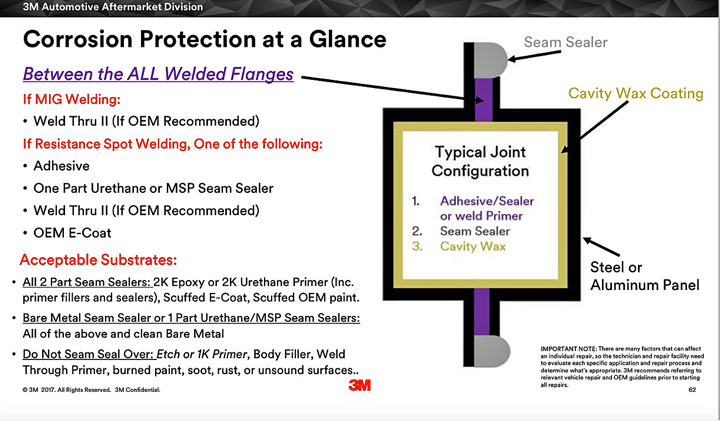
Automotive aftermarket product supplier 3M has recently released a quick reference guide on corrosion protection. Shawn Collins, Advanced Technical Specialist at 3M writes, “With all the questions about seam sealer and corrosion protection, I put together a quick reference one-pager. One of the biggest questions was, what can I seam seal over? The drawing is the optimal joint protection including something to seal and protect the welded flange, sealing the outside of the joint over the correct substrate and then cavity wax in the cavity or inside the panel. If you do all this thoroughly, the repair will outlast the car.” Let’s take a closer look at this quick reference.
New features continued be to offered and the versatile rearview mirror option on the 2018 Nissan Armada is no exception. Let’s take a look at the article as reported by Repairer Driven News (RDN).
What is the MPa of the front lower rail? What is the outer uniside made of: steel, aluminum, or composite? Can heat be used to straighten or is it cold straightening only? What are the repair limitations? These are just some of the questions that the RTS team fields on a daily basis.
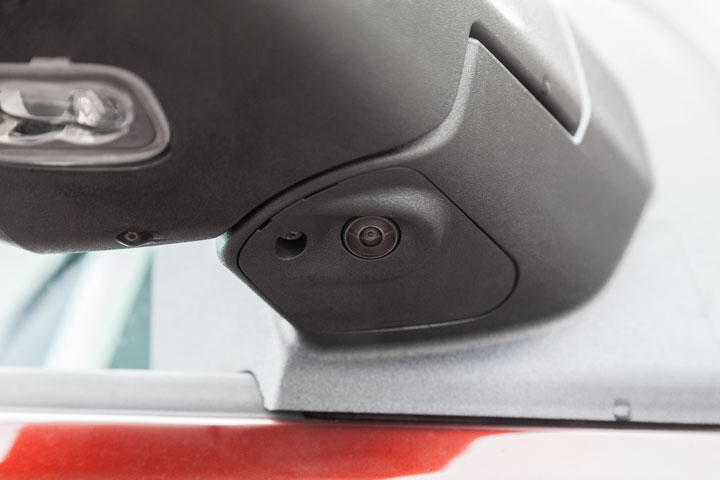
A key part of being able to diagnose a problem with advanced driver assistance systems (ADAS) is understanding how the system works. Knowing what is happening inside the system will help you properly diagnose why the system may be failing. This will prevent replacing parts that are not causing the system issue. Let’s take a look at the inner workings of a 360° camera view system.
A key factor in collision repair is making long-lasting repairs. When a vehicle is repaired, many areas of corrosion protection are disturbed. This creates corrosion hot spots that left untreated will lead to corrosion and potentially a repair failure. However, there are certain precautions that can be taken to safely and properly restore the corrosion protection throughout the repair process. OEMs often give specifications on restoring corrosion protection. These specifications generally include seam sealer, adhesives, foam fillers, and cavity waxes. Let’s take a look at what Mazda says.
The addition of the OEM Calibration Requirements Search to the RTS portal was a big step for the collision industry. While this new feature has been well received, there has been some confusion about what is included in the search tool. The OEM Calibration Requirements Search is designed to provide information on the calibration requirements that are needed for vehicles equipped with advanced driver assistance systems (ADAS). This includes systems such as adaptive cruise control, lane keep assist, and collision braking.
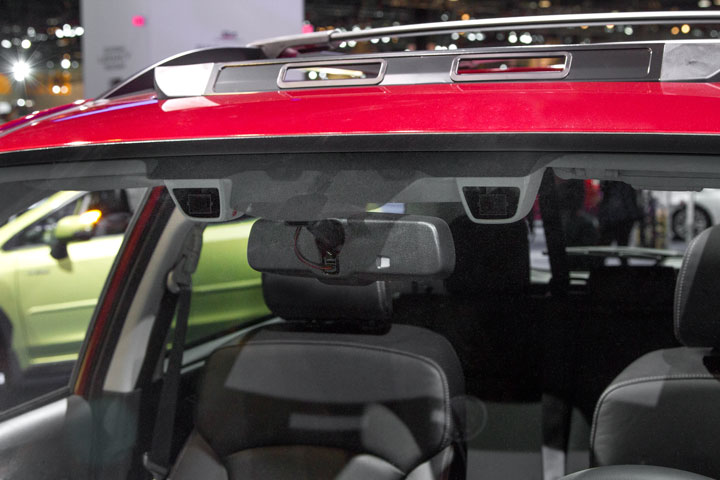
A key part of being able to diagnose a problem with advanced driver assistance systems (ADAS) is understanding how the system works. Knowing what is happening inside the system will help you properly diagnose why the system may be failing. This will prevent replacing parts that are not causing the system issue. Let’s take a look at the inner workings of a collision warning and collision braking system.
What is the MPa of the front lower rail? What is the outer uniside made of: steel, aluminum, or composite? Can heat be used to straighten or is it cold straightening only? What are the repair limitations? These are just some of the questions that the RTS team fields on a daily basis.
Many of the 2015-2020 Ford F-150s come with factory installed running boards. If you have had to replace the inner rocker panel lately, you may have noticed that the replacement inner rocker panel was missing hardware to install the running board after replacement. So, we reached out to our contacts at Ford to find the answer to this problem.
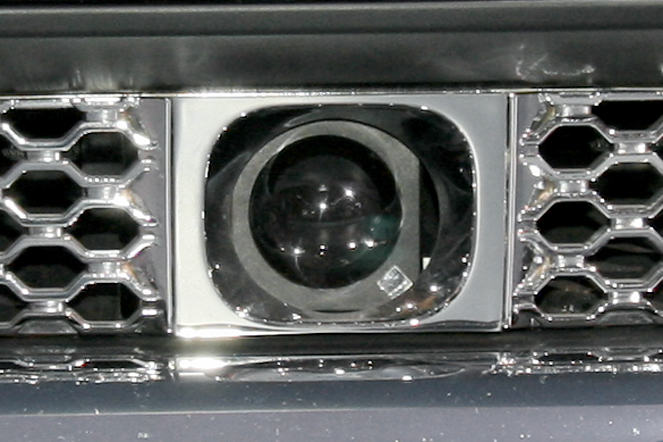
A key part of being able to diagnose a problem with advanced driver assistance systems (ADAS) is understanding how the system works. Knowing what is happening inside the system will help you properly diagnose why the system may be failing. This will prevent replacing parts that are not causing the system issue. Let’s take a look at the inner workings of an adaptive cruise control system (ACC).