Close
|
|


|
|
The I-CAR Repairability Technical Support “Ask I-CAR” feature and the Database Enhancement Gateway (DEG) help the industry with common issues but in different ways. Let's take a look at what each can do for you.
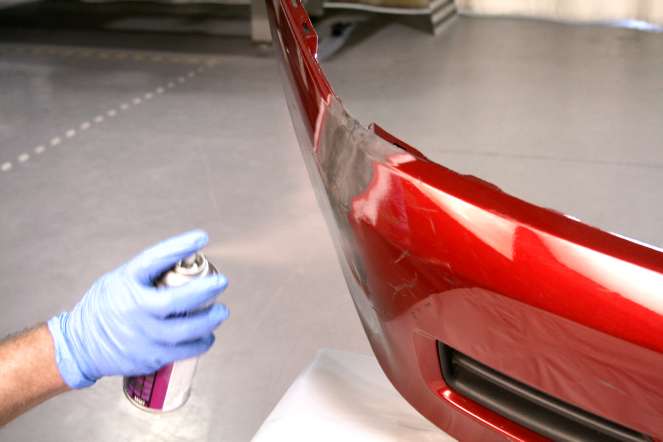
Adhesion promoters, or surface modifiers, are extremely important when making some types of adhesive plastic repairs. If the adhesion promoter is not applied when required, or applied incorrectly, the repair will fail. (although there are some exceptions because some plastics do not require adhesion promoters). Let’s take a look at some ways to avoid this type of repair failure.
Ford has issued a recall on the 2015 Ford F-150 adaptive cruise control (ACC) system. Let's take a look at how this may affect your customers and prevent a potential comeback.
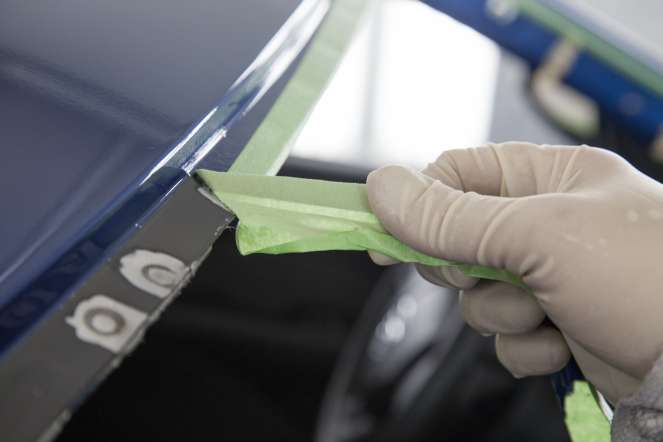
When dealing with stationary glass, should I refinish the area where the urethane will be applied to a new pinchweld? Should I remove the E-coat in that area? Let's take a look at some pinchweld prep basics for new panel installation; like a quarter panel for example.
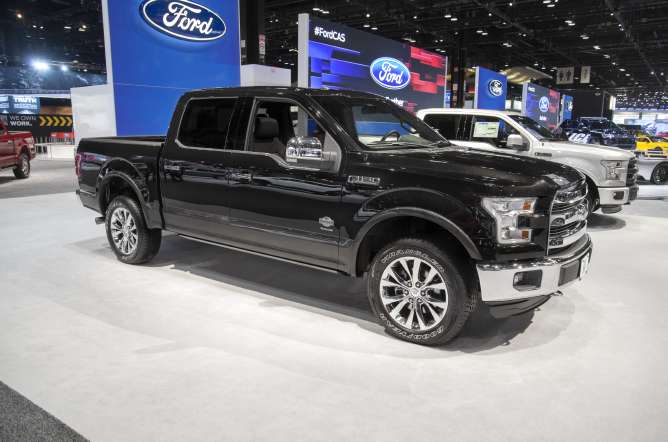
On the new Ford F-150, lane keep assist is an available option. With any of the advanced vehicle safety systems, one of the most important things to know is how to identify the system is on the vehicle at the repair facility. Once identified, information is needed on when calibration is required and what tools and equipment are needed to perform the calibration. Let's take a look at the lane keep assist system on the 2015 Ford F-150.
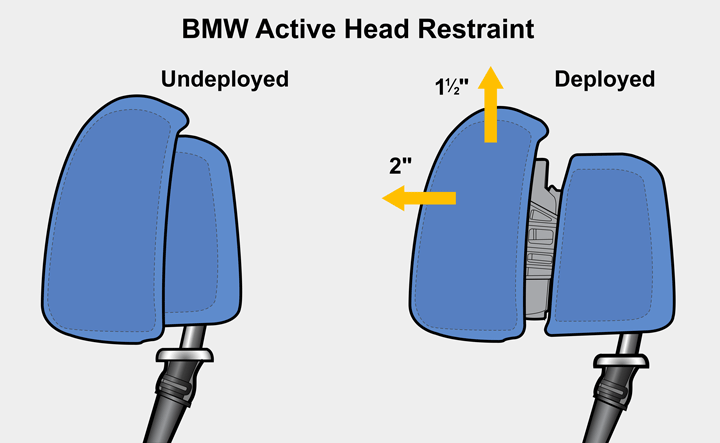
Some vehicles are equipped with an active headrest. These headrests are designed to move forward during a rear collision to reduce the chance of whiplash injury. Let's take a look at some of the key points when working with an active headrest and some of the resources to find information.
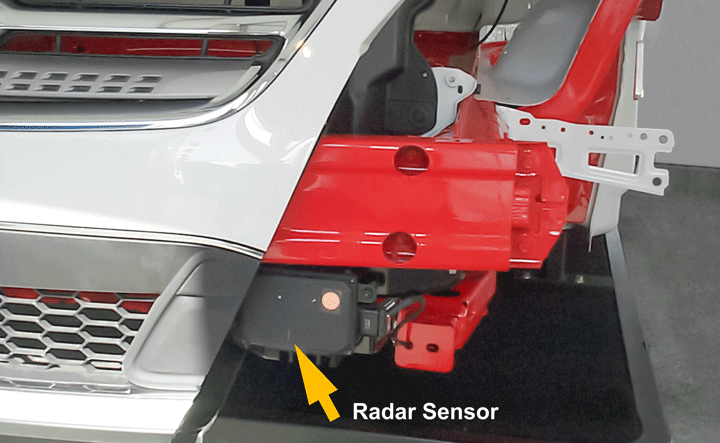
A group of vehicle makers got together recently and discussed the future of automatic emergency braking (AEB) technology in their vehicles. This feature is designed to reduce the severity and frequency of collisions; but no matter how good it is, it will never prevent all accidents from happening. So what do you need to know in order to repair vehicles with AEB, and how do you know the system is functioning properly?
The question is often asked, what material will be used in the car of the future? Should we concentrate on learning how to repair steel, aluminum, magnesium, or carbon fiber? For that answer, we need to look at present-day vehicles for some clues.
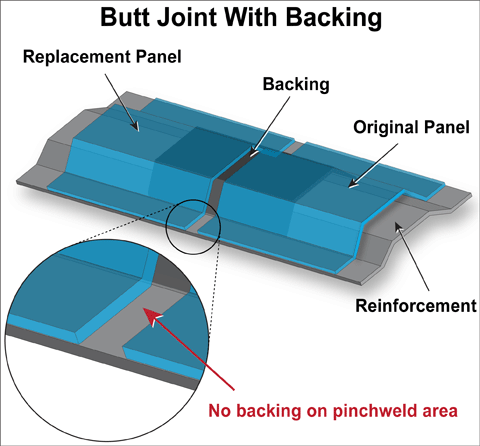
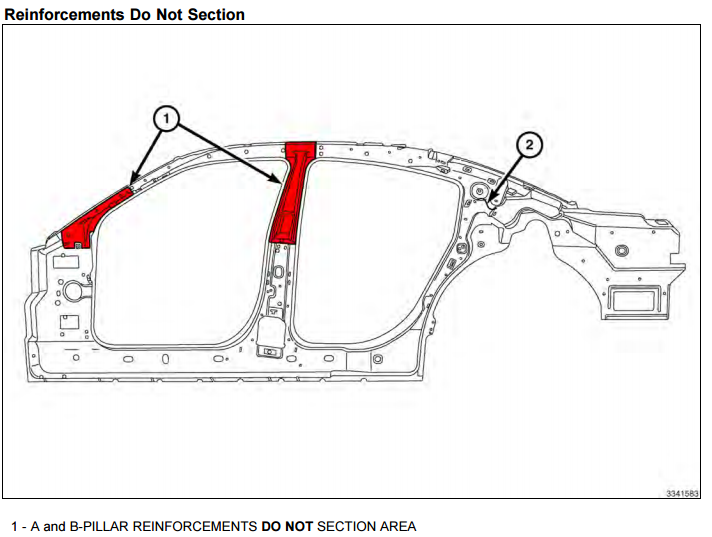
When it comes to terminology in repair procedures, there is often a great deal of confusion as to what type of sectioning joint is called out in a specific repair procedure. To help end some of that confusion, let's look at the three basic sectioning joints.
In case you missed it, there are now step-by-step instructions on how to access OEM repair information websites. These step-by-step instructions complement our how-to-videos on the OEM Information pages.
There's a new addition to the OEM Information pages for Toyota, Lexus, and Scion. An icon has been added linking you to a page on Toyota's website that allows technicians to take Toyota collision repair training.
The I-CAR Repairability Technical Support (RTS) team recently developed a new video concept and we’re looking for your feedback. The concept videos provide a 360 tour around a late model, popular vehicle; the first being the 2015-2020 Ford F-150. The videos are designed to inform collision repair professionals of potential items you may encounter when an unfamiliar, new vehicle arrives at your facility. The goal of the videos is not to teach 'how' to repair, but to heighten your awareness that special tools, equipment, and training may be required.
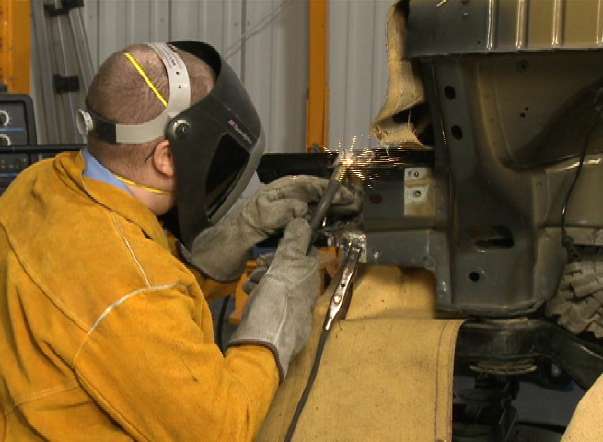
What is the difference between sectioning and partial replacement? Let's take a look and add some clarification.
The adoption of a strong learning culture within a business, as well as sound production management principles, will not only help improve bottom line results, but will also bring additional value in understanding a technician’s abilities or inabilities and knowing how to close any knowledge gaps a shop may uncover among its staff.

Recently, two collision repair diagnostic experts suggested that 70% of today’s collision damaged vehicles require some type of diagnostic work. That’s a lot of vehicles! So it comes as no surprise that I-CAR has received a number of Ask I-CAR inquiries asking when collision repair diagnostics are required.