Close
|
|


|
|
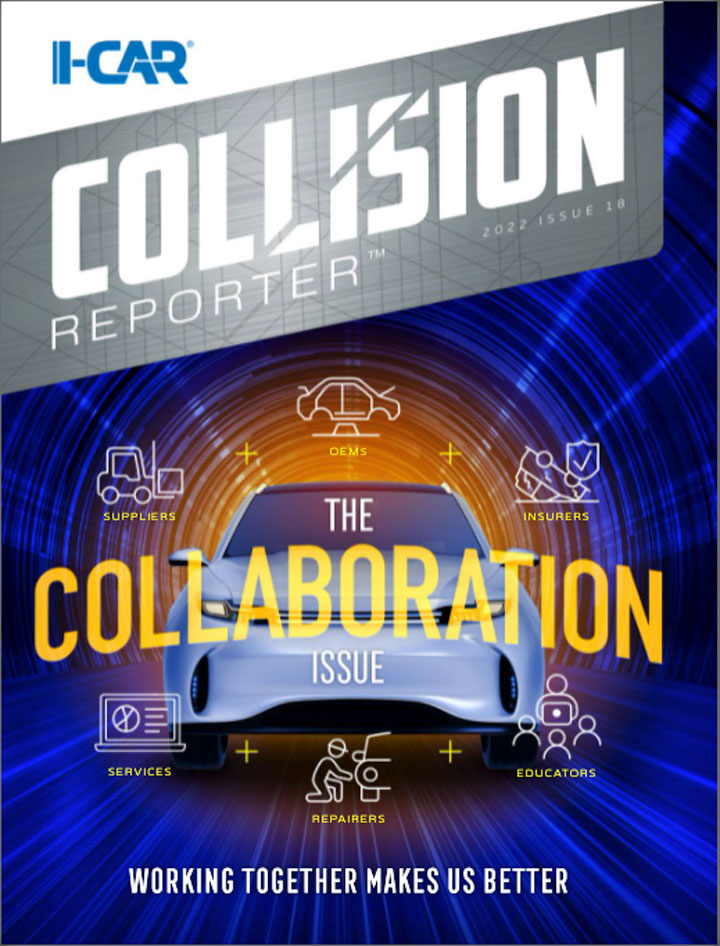
The eighteenth installment of the I-CAR Collision Reporter - The Collaboration Issue has been released. The issue focuses on working together and how it makes the industry better.

When researching procedures for disabling a high-voltage (HV) vehicle, you may notice that many of the procedures require the use of specific tools. Some of them are OEM-specific tools or scan tools. Often identifying and locating where to purchase these specific tools can be difficult.
The RTS team is researching how to find these tools to make it easier for technicians performing these tasks. As we research the location of these special tools, we are compiling the information in a series of OEM-specific articles.
As electric-only, hybrid, and fuel cell electric vehicles are increasing in sales, they are becoming more commonplace in repair facilities. Along with the unique powertrains that come with these vehicles, also comes unique safety concerns. Regardless of vehicle maker, high-voltage (HV) systems pose a threat of injury or death if not handled properly. Only personnel with the proper training, PPE, tools, equipment, and service information should perform work on the HV systems.
The Jeep Grand Cherokee has undergone several changes starting into 2021. These changes being a body style change and, most importantly, structural changes. With the body style change, comes a new body code of Grand Cherokee (WL).
In Europe, MIG brazing has been required or recommended on a widespread basis for several years. In the U.S., MIG brazing is not as common but is becoming more prevalent. As the RTS team is researching MIG brazing information, we are putting together a series of articles that identify OEM-specific MIG brazing recommendations and requirements for vehicles in the U.S. Let’s see what Hyundai has to say.
I-CAR had a discussion with industry experts on preparing a vehicle for refinishing.
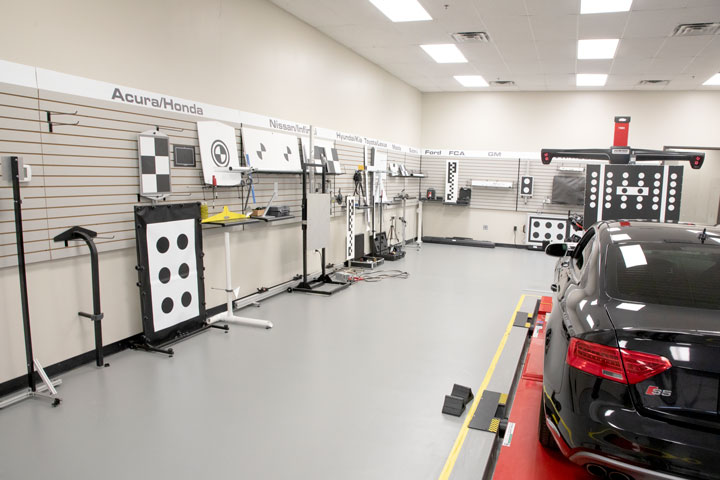
Static calibrations are used for calibrating many advanced driver assistance systems (ADAS) components. With static calibration comes a few considerations.
What is a non-SRS wiring repair? It is the repairing of an electrical component that is not part of the supplemental restraints system circuit (usually identified by yellow wire looms). As technology increases on vehicles so does the number of components that utilize electricity. Many of the sensors and modules are becoming smarter and more sensitive. If the wire is too long, wrong gauge, or spliced in the wrong location it can cause malfunctions in the components that it’s powering. Many OEMs have different restrictions and guidelines for repairing wiring that does not control SRS components. On the other hand, there are OEMs that don’t allow wiring repairs at all, so full harness replacement is the only option.
As part of the I-CAR Repairability Technical Support (RTS) OEM linking pin activity, we are helping to connect the collision repair industry to the vehicle makers. Recently, we had a technical inquiry that asked for clarification on seat belt replacement after a collision.

While searching for information on advanced driver assistance systems (ADAS) on an OEM repair information site, you may come across unique calibration procedures or events. These events can vary by year and model, even within a particular make. As the RTS team has been researching these systems, we have been identifying these atypical circumstances. In order to help you better understand them, we are putting together a series of articles that help with the repair and calibration of ADAS. Let’s take a closer look at the FCA/Stellantis Driver Assistance category in the Jeep Grand Cherokee (WL) service manual.
As electric-only, hybrid, and fuel cell electric vehicles are increasing in sales, they are becoming more commonplace in repair facilities. Along with the unique powertrains that come with these vehicles, also comes unique safety concerns. Regardless of vehicle maker, high-voltage (HV) systems pose a threat of injury or death if not handled properly. Only personnel with the proper training, PPE, tools, equipment, and service information should perform work on the HV systems.
Vehicle makers may group their body repair manuals (BRM) in several different ways. Sometimes the BRMs are grouped by a year range, some are listed as VIN specific, and others are arranged by a body code. Let’s take a look at Mazda to see how they group their BRMs.
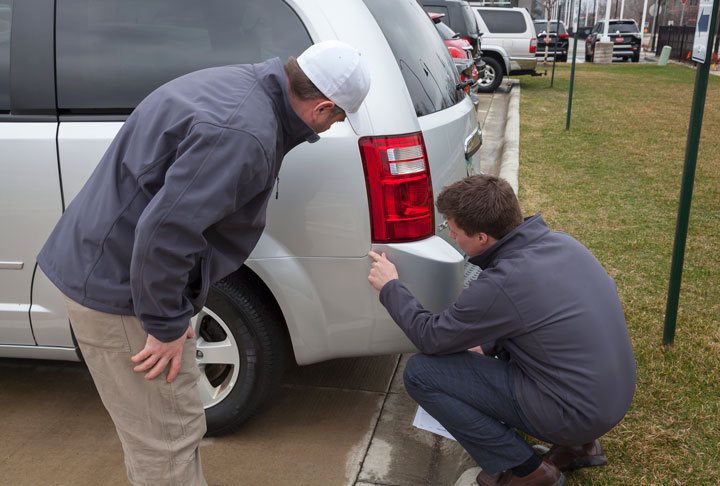
What is the vehicle check-in process and why is it so important? This is the first and one of the most critical steps in the repair process. This is the time to build a relationship and trust with the customer, as well as gather all necessary information about the accident. If this is done incorrectly the whole repair process can be delayed, have added expenses for the shop and you can have an unhappy customer.

When researching procedures for disabling a high-voltage (HV) vehicle, you may notice that many of the procedures require the use of specific tools. Some of them are OEM-specific tools or scan tools. Often identifying and locating where to purchase these specific tools can be difficult.
The RTS team is researching how to find these tools to make it easier for technicians performing these tasks. As we research the location of these special tools, we are compiling the information in a series of OEM-specific articles.

When researching procedures for disabling a high-voltage (HV) vehicle, you may notice that many of the procedures require the use of specific tools. Some of them are OEM-specific tools or scan tools. Often identifying and locating where to purchase these specific tools can be difficult.
The RTS team is researching how to find these tools to make it easier for technicians performing these tasks. As we research the location of these special tools, we are compiling the information in a series of OEM-specific articles.